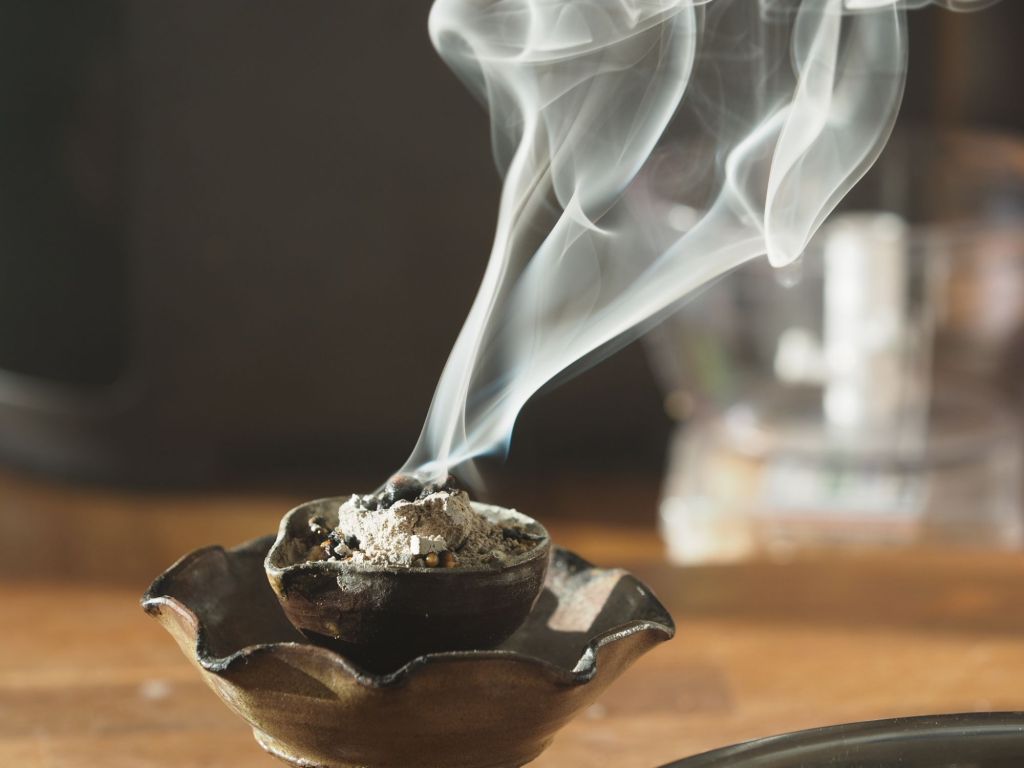
The smoke of Frankincense is beautiful. It also pervades the house and purifies.
The smoke of Frankincense is beautiful. It also pervades the house and purifies.
BBC UK
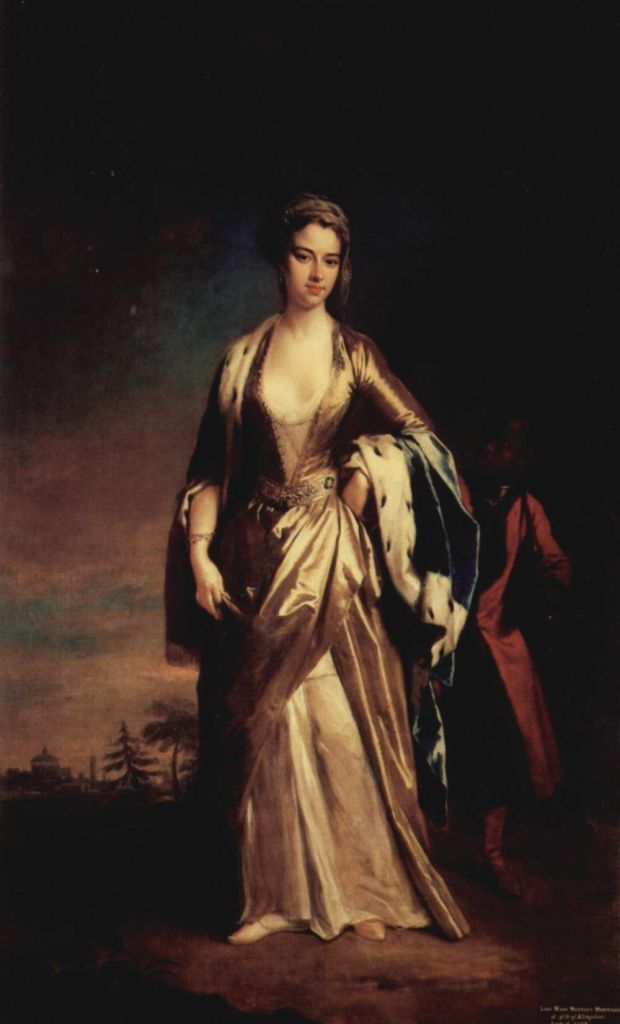
https://en.wikipedia.org/wiki/Lady_Mary_Wortley_Montagu
Many more good things came from the middle east.
A large number of professionally prescribed medicines need to be taken for the entire remaining lifetime. Insofar, these medicines don’t cure the patient. By and large these medicines merely maintain the absence of patient experienced symptoms. In the case of blood pressure medicines for example there is also the aspect of risk mitigation.
If a certain medicine provided a complete cure of a diagnosed health problem, it would not need to be taken until the end of the patient’s lifetime. The patient would stop buying the medicine when cured from the disease. In terms of the business aspect of the pharmaceutical domain: A cured customer is a lost customer. Cure is therefore not necessarily a desired outcome of the consumption of medicines. The constant consumption on the other hand is very desirable from a hypothetical business point of view.
Medicine taking often kicks in when certain measurable health parameters are outside a so-called “normal range”. That range is based on statistics. Consequently, it is critical when it comes to selling medicines. A patient may feel healthy otherwise when a certain health parameter is outside the so-called “normal range”. Yet, when prescribed and advised to take medicines, patients usually obey.
The entire research budget of the WHO, is provided by the pharmaceutical industry. Therefore, WHO research cannot be regarded as independent. Yet, WHO is strongly involved in defining so-called “normal ranges” for measurable parameters of human health.
Daniel does it well because he understands Beethoven.
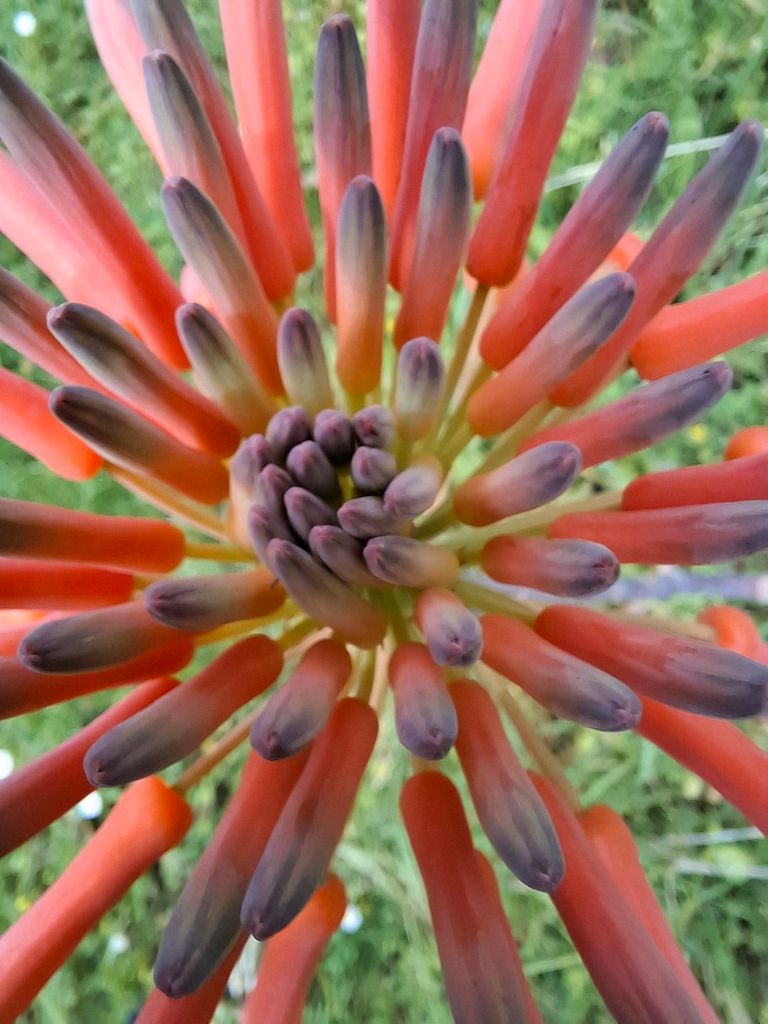
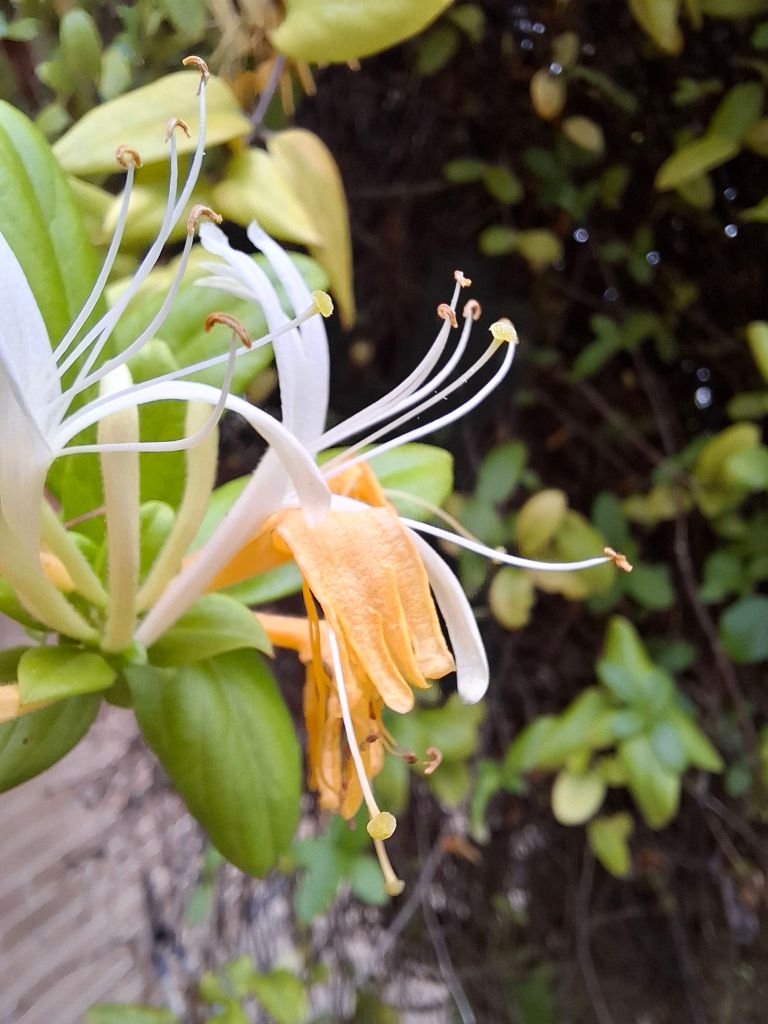

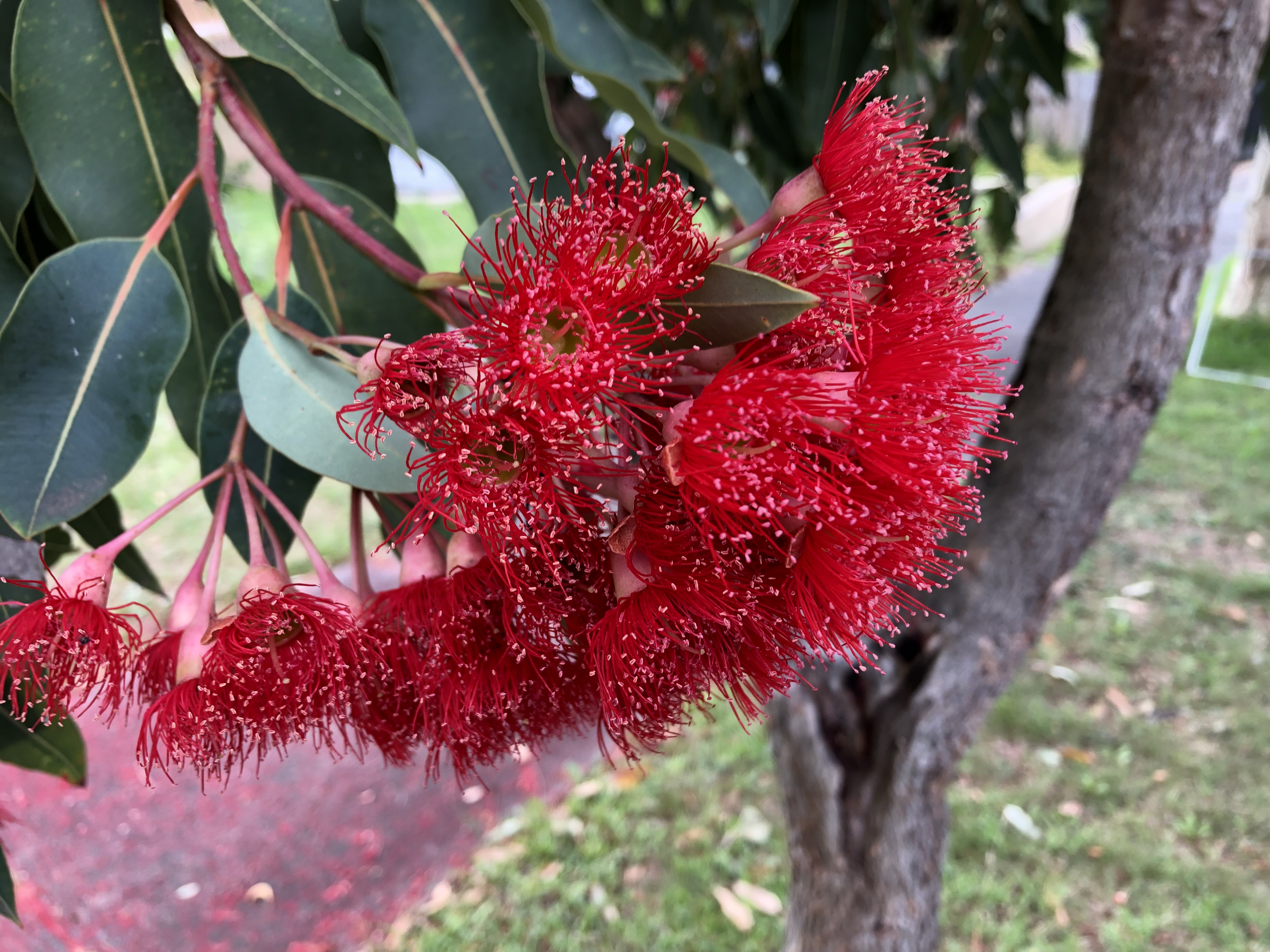

Colours express the magic of summer as it comes and winter retreats completely.
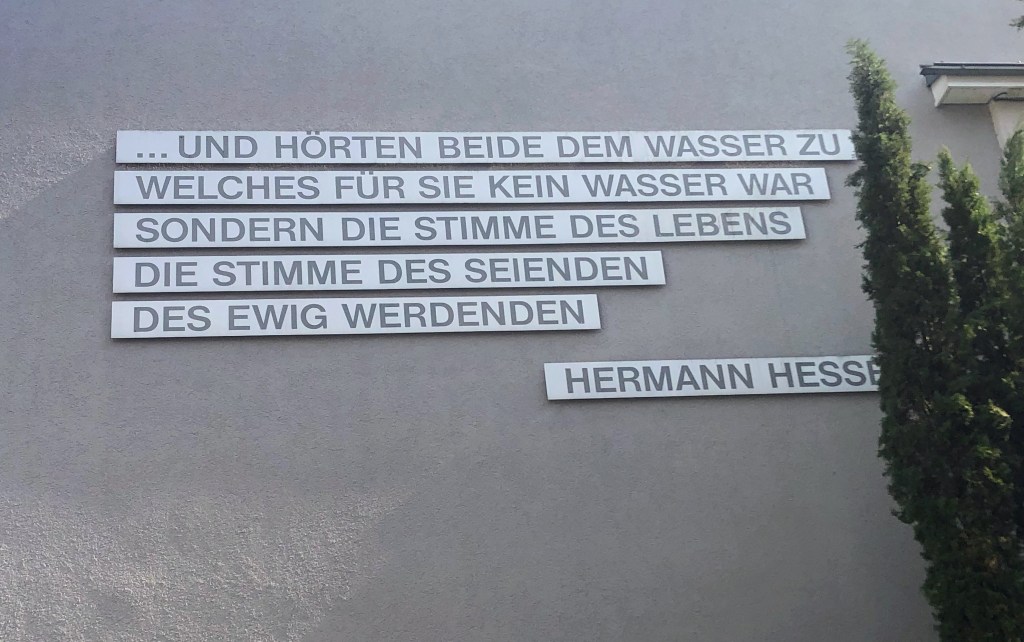
… and both listened to the water
which for them was not water
but the voice of life
the voice of the being
of the eternally becoming.
 Dete's Words and pics